
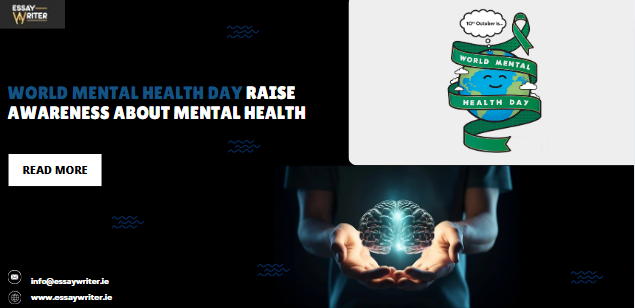
How Can World Mental Health Day Help Raise Awareness About Mental Health?
You may have scrolled past a green ribbon post on 10th October and kept going. Most of us have done that, but that quiet little graphic symbolises one of the few days each year when millions of people talk about something they normally whisper. It is worth asking how events like World Mental Health Day help raise awareness in a way that lasts beyond the hashtag. This blog is a mental health day guide about what the day does, why it works and how to join in without it feeling awkward.
Why Does World Mental Health Day Matter?
World Mental Health Day is held every 10th October to make mental health care accessible to everyone. The number of people affected explains the urgency, so it comes first. After that, cover the history, the theme and who benefits.
- World Mental Health Day
This global observance is on 10th October, and this year it falls on a Saturday. The World Federation for Mental Health first initiated it in 1992. The theme of 2026 is “Lived Experiences Heard: Real Voices, Real Change”. The spotlight is on people who have lived through mental illness instead of experts who are talking about them.
- How Big Is The Problem Right Now?
The problem is getting bigger than most people guess. The WHO’s 2025 World Mental Health Today report estimated that more than one billion people were living with a mental health condition, with anxiety and depression leading the list. The same period saw around 727,000 suicide deaths. Behind every figure is a person who probably could not say anything.
- Why Do Students And Nurses Need This Day?
Healthcare students have a strange double load on them. They study illness all week and then hide their own exhaustion. A student nurse who is buried under placement hours may search for nursing assignment help and never mention that the real problem is burnout. Dates like World Mental Health Day help raise awareness in universities, making it easier to say “I am struggling” before grades slip.
- Does Talking About It Reduce Stigma?
Yes, talking can reduce stigma, but not through posters alone. Stigma research keeps finding that hearing a real story from someone with lived experience shifts attitudes far more than leaflets do. That is exactly why this year’s theme makes sense. A colleague who admits that they have had therapy can change what the whole team feels allowed to say.
- Who Else Benefits Besides Individuals?
These individuals can be employers, schools and governments. Healthy teams take fewer sick days and keep their best people. Policy is also important, and WHO data shows governments spend a median of only around 2% of their health budgets on mental health. Public attention is one of the few levers that can raise that figure.
How Campaigns Like World Mental Health Day Help Raise Awareness Year-Round
A single observance cannot fix anything on its own. It gives everyone permission to start. The real value shows up in the weeks and months after, and that’s where it tends to happen.
- Gets Hard Conversations Started
Most people often wait for the right moment to bring up mental health and that moment never comes. A shared date can take the pressure off. Nobody needs to explain why they are asking a friend how they are really doing because the whole internet is asking the same thing. Once the first awkward chat is out of the way, the second one comes far easier.
- Pushes Media And Charities Into Action
Broadcasters often run stories they may normally skip. Charities time their biggest fundraisers and public campaigns around 10th October, so a cause that usually fights for airtime suddenly has it. This attention funds helplines, training and local services and it reaches people who would never search for mental health information on their own.
- Makes Lived Experience Visible
It comes differently to hear from someone who has been through it than reading facts. When people share their stories openly, listeners often spot their own symptoms for the first time. Someone who reads an account of a stranger at lunch often recognises themselves and books a GP appointment the following week.
- Gives Workplaces And Schools A Reason To Act
Many employers and schools mean well but never get round to it, but a fixed date gives them a deadline. Wellbeing talks get booked, quiet rooms get set up and managers finally review workloads. Better workplaces and schools don’t just treat it as one-off, but turn this day with a habit of regular check-ins and clear support routes.
- Keeps Pressure On Governments And Funders
It has been noted that politicians only respond to what voters care about. Mental health climbs the agenda when millions of people post, march or sign petitions on the same day and the conversation about funding and access follows. Awareness is only half the job without access. Campaigns that keep going after 10th October turn goodwill into real services.
Steps To Take Part In World Mental Health Day
You do not need a budget or a stage. Just pick what suits your week.
- Check In With One Person: Begin by asking how they are doing, then actually wait for the answer.
- Share A Real Story: If you are comfortable, you can tell yours, or use an organisation’s published account. It is better to skip the stock quotes.
- Protect Some Time: If coursework is swallowing your week, the best essay writing service Ireland has to offer can supply a model draft to learn from, which frees an hour for a walk or an event.
- Support A Cause: You can donate, volunteer or join a local session run by a mental health charity.
- Keep It Going: You can also set a monthly reminder in your calendar because events like World Mental Health Day help raise awareness best when ordinary people keep talking afterwards.
FAQs To Know More About World Mental Health Day
- Is World Mental Health Day a public holiday?
No, it is an awareness day, so shops, schools and offices run as normal. Many workplaces and universities still schedule talks, quiet rooms or wellbeing sessions around it. If your employer has not planned anything, you can suggest a short team conversation as it is a simple way to start.
- What does the green ribbon stand for?
Green is the colour that is linked with mental health awareness and the ribbon has become a visual shorthand for the cause. If you are wearing one signals that you are open to conversation and that your space is safe to talk in. It is a small gesture, but it often prompts people to speak.
- Can I take part if I have never had mental health problems?
Yes, everyone has mental health, the same way everyone has physical health. You can join to help friends and relatives feel less alone, and it can teach you to spot early warning signs. It is useful to listen well, whatever your own situation.
- How can employers mark the day without it feeling forced?
You can keep it practical. It is better to offer flexible hours that day, share confidential support contacts and let a manager speak honestly about their own experience. Must avoid mandatory cheerfulness. Staff respond better to genuine change, such as realistic workloads, than to a free biscuit and a poster.
- What should I do if someone tells me they are not coping?
Stay calm, listen without rushing to fix things, and thank them for trusting you. It is ideal to encourage them to contact a GP, counsellor or local helpline. If they may be in immediate danger, you can call your local emergency number straight away and stay with them.
Final Thoughts
Awareness is not just a one-day job, but it is a shared date that builds momentum. Putting real voices in front of people who rarely hear them on days like World Mental Health Day help raise awareness are chipping away at stigma and nudge funding up. The numbers are over a billion people affected, but small acts still count. It can be a check-in, a story or a donation.

As the content creator for the EssayWriter.ie blog, I share insights, tips, and how-tos that make academic writing less intimidating. From essay and asignment strategies to time-management hacks, my blogs are tailored to help students at every level improve their writing, boost grades, and reduce stress.